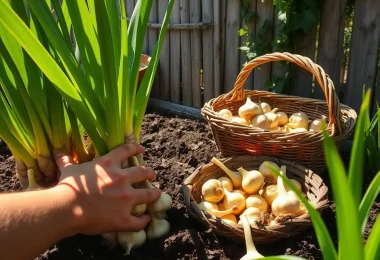

If you are wondering when to plant tulip bulbs, the short answer is fall: plant them once the soil has cooled below 60°F (15°C), usually six to eight weeks before the ground freezes. Tulips need a long, cold winter underground to bloom, so autumn planting is what gives you that burst of color in April and May.
This guide shows the best planting month for your climate zone, how deep and how far apart to plant, what to do if you missed the window, and how to stop squirrels from digging up your bulbs.

Quick Answer: When to Plant Tulip Bulbs
- Season: fall (autumn), after the summer heat has passed
- Soil temperature: below 60°F (15°C)
- Night temperatures: consistently between 40°F and 50°F (4–10°C)
- Deadline: any time before the ground freezes solid
- Warm climates (zones 8–10): chill bulbs in the fridge for 10–14 weeks, then plant in December or January
When to Plant Tulip Bulbs by Zone
Find your area on the USDA Plant Hardiness Zone Map, then use this chart:
| USDA zone | Best time to plant | Notes |
|---|---|---|
| Zones 3–4 | Mid-September to early October | Plant early so roots grow before hard frost |
| Zone 5 | October | The classic tulip-planting month |
| Zone 6 | Mid-October to mid-November | Wait until nights are reliably cool |
| Zone 7 | November to early December | Planting too early can trigger fall leaves |
| Zone 8 | Late November to December | Pre-chill bulbs for best results |
| Zones 9–10 | Late December to January | Pre-chill 10–14 weeks; grow as annuals |
| UK and Ireland | October to November | November planting helps prevent tulip fire disease |
Why Tulips Must Be Planted in Fall
Tulips originally come from the mountains of Central Asia, where winters are long and cold. A bulb needs roughly 12 to 16 weeks of temperatures below about 45°F (7°C) to trigger the flower stem inside it. This cold period is called vernalization. Without it, tulips produce short stems, small flowers or only leaves.
Planting in cool soil also gives the bulb a few weeks to grow roots before winter, which anchors it and lets it take up water as soon as spring arrives.
How to Plant Tulip Bulbs Step by Step

- Choose firm, large bulbs. Healthy bulbs feel heavy and solid, like an onion. Skip any that are soft, moldy or shriveled.
- Pick a sunny spot. Tulips need at least six hours of sun a day and soil that drains well. Bulbs rot in soggy ground.
- Prepare the soil. Loosen the soil to about 12 inches deep and mix in compost. Heavy clay benefits from extra compost or a raised bed.
- Dig to the right depth. Plant 6–8 inches deep, or about three times the height of the bulb, measured from the base.
- Set the bulb pointy side up. If you cannot tell, plant it on its side; the stem will find its way up.
- Space them out. Leave 4–6 inches between bulbs. For a natural look, plant in groups of 10 or more rather than single rows.
- Cover and water once. Backfill, firm the soil gently and water well to settle it. After that, rain is usually enough until spring.
- Mulch in cold areas. Once the ground starts to freeze, add 2–3 inches of shredded leaves or bark to protect against freeze-thaw cycles.
Short on good soil? Tulips grow beautifully in raised beds because drainage is excellent. See our guide on how to make a raised bed.
How Deep to Plant Tulip Bulbs (Chart)
| Bulb size | Planting depth | Spacing |
|---|---|---|
| Large (Darwin hybrid, single late) | 8 inches (20 cm) | 5–6 inches |
| Standard garden tulips | 6 inches (15 cm) | 4–5 inches |
| Small species tulips | 4–5 inches (10–12 cm) | 3 inches |
| Containers | Bulbs just covered, 4–6 inches of soil below | Almost touching |
How to Pre-Chill Tulip Bulbs in Warm Climates
In zones 8–10, winters are too mild to give tulips the cold they need. You can fake winter in the refrigerator:
- Place bulbs in a paper bag or mesh bag, not sealed plastic, so they can breathe.
- Keep them in the fridge at 35–45°F (2–7°C) for 10–14 weeks.
- Store them away from apples, bananas and other fruit. Ripening fruit releases ethylene gas, which can damage the flower bud inside the bulb.
- Plant straight from the fridge into cool soil in late December or January.
Is It Too Late to Plant Tulip Bulbs?
Probably not. If you can still dig a hole, you can still plant tulips. Bulbs planted in December, or even early January in mild years, often bloom a little later and on slightly shorter stems, but they almost always bloom. What you should not do is keep bulbs in a warm garage until spring: unplanted bulbs dry out and will not flower.
If the ground is already frozen, plant bulbs in pots, store the pots in an unheated garage or shed, and move them outside in early spring.
How to Keep Squirrels from Digging Up Tulip Bulbs
- Lay chicken wire over the planting area and cover it with soil or mulch. Shoots grow through the holes in spring.
- Add a handful of sharp gravel to each planting hole to discourage voles and mice.
- Clean up papery bulb skins after planting; the smell attracts squirrels.
- Mix tulips with daffodils, which rodents avoid because the bulbs are toxic to them.
Deer love tulip leaves and flowers too. If deer visit your garden, read our guide to the best deer repellents.
Best Tulip Varieties for Coming Back Every Year

Many modern tulips flower beautifully for one year and then fade. If you want tulips that return (perennialize), choose these types:
- Darwin hybrid tulips: tall, large flowers and the most reliable big tulips for repeat blooming.
- Species (botanical) tulips: small, tough tulips such as Tulipa tarda and Tulipa clusiana that spread over the years.
- Fosteriana (Emperor) tulips: early bloomers with large flowers that often return well.
To help any tulip return, let the leaves die back naturally after flowering. The leaves feed the bulb for next year, so only remove them once they turn yellow.
Common Tulip Planting Mistakes
- Planting in September in warm zones: warm soil can cause rot or early leaf growth that gets damaged by frost.
- Planting too shallow: shallow bulbs flop over, split and are easier for squirrels to find.
- Poor drainage: standing water is the number one cause of tulip bulb rot.
- Cutting leaves too early: removing green leaves after flowering starves the bulb.
Want more spring color from the same planting session? Hyacinths are planted at the same time as tulips and add a wonderful fragrance.
Conclusion
The best time to plant tulip bulbs is fall, once the soil is below 60°F and before the ground freezes. Plant them 6–8 inches deep, pointy side up, in a sunny, well-drained spot, and protect them from squirrels. Do that this autumn and you will be rewarded with a garden full of color next spring.
FAQ
What month is best to plant tulip bulbs?
For most of the US, October and November are the best months. Colder zones (3–4) plant in late September, while warm zones (8–10) plant pre-chilled bulbs in December or January. In the UK, plant in October or November.
Can I plant tulip bulbs in spring?
Bulbs planted in spring without a cold period usually do not flower. If you buy bulbs late, chill them in the fridge for 10–14 weeks first, or buy potted tulips that are already growing.
Should I soak tulip bulbs before planting?
No. Tulip bulbs do not need soaking. Simply plant them and water the soil well once.
How long do tulip bulbs take to bloom?
Bulbs planted in fall bloom in spring, about five to seven months later, depending on the variety and your climate.
Are tulips toxic to pets?
Yes. The ASPCA lists tulips as toxic to cats, dogs and horses, and the bulbs are the most toxic part. Keep dogs from digging in newly planted beds.