
Walking up to your home should always feel like a warm embrace. When your exterior looks tired or overgrown, it can dampen that sense of pride you feel every time you pull into your driveway. Transforming your outdoor space is a rewarding project that instantly elevates your property value and neighborhood charm.

Whether you are a seasoned gardener or a weekend warrior, finding fresh front yard landscaping inspiration is the first step toward a stunning transformation. We will guide you through essential planning, strategic planting, and smart lighting choices. These practical steps ensure your home stands out while staying within your budget.
By focusing on intentional design and consistent maintenance, you can create a welcoming environment that reflects your personal style. Let us explore how simple upgrades turn a plain lawn into a beautiful, inviting sanctuary that you will love coming home to every single day.
Plan a Front Yard Landscape That Fits Your Home
Transforming your curb appeal requires more than just picking out pretty flowers at the local nursery. A successful project begins with a comprehensive strategy that accounts for your property’s specific needs. By following these landscaping tips for front yard success, you can avoid costly mistakes and ensure a cohesive look.

Match Planting Style to the Home’s Architecture
Your landscape should act as a natural extension of your home’s exterior design. A modern, minimalist house often benefits from clean lines and structural grasses, while a traditional cottage style thrives with lush, layered perennial beds. Visual harmony is the key to making your home look polished and intentional.
Set a Realistic Budget for Materials, Plants, and Labor
Before you start purchasing supplies, outline a clear financial plan to keep your project on track. Factor in the costs of hardscaping materials, soil amendments, and professional labor if you choose to hire help. Using these landscaping tips for front yard budgeting will prevent you from overspending on non-essential items early in the process.
Measure Sunlight, Soil, Drainage, and Available Space
Successful gardening depends on understanding the unique environmental conditions of your yard. Observe how sunlight moves across your property throughout the day to choose plants that will truly thrive. Proper site analysis prevents drainage issues and ensures that your chosen plants have enough room to grow without overwhelming your home’s foundation.
- Assess soil quality to determine if you need organic compost.
- Identify low spots where water might pool after heavy rain.
- Measure your available space to avoid overcrowding your entryway.
- Check for underground utility lines before you begin any digging.
Landscaping Ideas for the Front Yard With Strong Visual Impact
Strong visual impact in a front yard is rarely an accident; it is the result of careful planning and artistic arrangement. By focusing on balance and intentional design, you can transform a standard lawn into a captivating entrance that reflects your personal style. These landscaping ideas for the front yard help create a space that feels both welcoming and professionally curated.
Frame the Entryway With Balanced Plant Beds
The front door serves as the focal point of your home, and your garden beds should guide the eye directly toward it. Using symmetrical or balanced planting beds on either side of the walkway creates a sense of order and stability. Framing the entryway with matching shrubs or ornamental grasses establishes a clear path that feels inviting to guests.

Use Repetition to Create a Cohesive Design
Repetition is a powerful tool that brings harmony to your outdoor space. By repeating specific plant varieties or colors throughout your garden, you create a visual rhythm that ties different areas together. This technique is one of the most effective landscaping ideas for the front yard to ensure your design feels unified rather than cluttered.
Combine Color, Texture, Height, and Seasonal Interest
A successful landscape engages the senses through a variety of elements. You should aim to mix plants with different leaf shapes, bloom times, and growth habits to maintain interest throughout the year. Strategic plant selection ensures that your yard looks vibrant in the spring and remains structured during the winter months.
Choose a Limited Color Palette for a Polished Appearance
Too many competing colors can make a garden feel chaotic. Selecting a limited palette of two or three complementary colors provides a sophisticated, high-end look. This restraint allows the architectural features of your home to stand out while keeping the garden beds looking clean and intentional.
Layer Plants From Ground Covers to Small Trees
Depth is essential for a professional aesthetic. You can achieve this by layering plants based on their mature height, placing low-growing ground covers at the front and taller shrubs or small trees toward the back. This layered approach adds dimension to your garden and ensures that every plant remains visible and healthy.
Create an Inviting Walkway to the Front Door
A thoughtfully crafted walkway guides guests naturally while enhancing your home’s exterior. By connecting your driveway or sidewalk to your porch, you establish a clear flow that defines your front entrance landscaping. A well-planned path serves as the backbone of your curb appeal, making the home feel accessible and welcoming.

Choose Pavers, Brick, Gravel, or Concrete for the Desired Look
Selecting the right material is essential for matching your home’s architectural style. Whether you prefer a rustic aesthetic or a modern finish, there are several durable options to consider for your front yard walkway ideas:
- Concrete: Offers a clean, minimalist look that is highly customizable with stamps or stains.
- Brick: Provides a classic, timeless appeal that works beautifully with traditional or colonial homes.
- Pavers: Available in various shapes and colors, allowing for intricate patterns and easy repairs.
- Gravel: A cost-effective choice that creates a charming, informal crunch underfoot.
Size the Path for Comfortable Daily Use
Functionality is just as important as visual appeal. A path that is too narrow can feel cramped and difficult to navigate when carrying groceries or welcoming guests. We recommend a minimum width of four feet to allow two people to walk side-by-side comfortably.
Soften Hard Edges With Ground Covers and Border Plants
Hardscape materials can sometimes feel cold or overly rigid. You can easily soften these edges by planting low-growing perennials or creeping ground covers along the perimeter. This technique integrates the walkway into the surrounding garden, creating a seamless transition between the path and your lawn.
Improve Safety With Even Surfaces and Adequate Drainage
Safety should always be a priority when designing your entrance. Ensure that all materials are installed on a stable, level base to prevent tripping hazards. Proper drainage is also critical; the path should have a slight slope to direct water away from the foundation and prevent pooling during heavy rain.
Build Front Yard Garden Beds With Color and Structure
You can transform your home’s exterior by building layered garden beds that offer year-round appeal. These front yard garden ideas rely on a mix of textures and heights to create a professional look. By layering your plants, you ensure that your landscape remains visually interesting during every season.
Mix Evergreen Foundation Plants With Flowering Perennials
A successful foundation planting strategy uses evergreens to provide a permanent green backdrop. These plants maintain their color throughout the winter, preventing your yard from looking bare. You can then tuck flowering perennials in front of these shrubs to add seasonal pops of color.

Add Native Plants for Regional Beauty and Wildlife Value
Incorporating native front yard plants is a smart way to ensure your garden thrives with minimal effort. These species are already adapted to your local climate and soil conditions. They also provide essential food and shelter for local pollinators and birds.
Use Ornamental Grasses, Shrubs, and Small Trees for Year-Round Form
Ornamental grasses add movement and soft texture to your garden beds. When combined with small trees and shrubs, they create a sense of depth and architectural interest. This combination ensures your landscape looks intentional and well-maintained throughout the year.
Choose Plants for USDA Hardiness Zones and Local Conditions
Always check your specific USDA hardiness zone before purchasing new plants. Local conditions like soil pH and sun exposure also dictate which species will flourish in your yard. Selecting the right plants for your environment is the most important step for long-term success.
Place Tall Plants Away From Windows and Walkways
Consider the mature size of every plant before you dig. Tall shrubs or trees should never block your windows or obstruct your path to the front door. Keeping walkways clear ensures your home remains accessible and safe for guests.
Add Focal Points That Strengthen Front Yard Curb Appeal
A memorable landscape relies on the power of a well-placed visual anchor. By choosing one or two intentional elements, you can create front yard focal points that draw the eye without creating visual clutter. These features serve as the centerpiece of your design, guiding visitors toward your home.

Use a Specimen Tree as a Long-Term Landscape Anchor
A single, well-chosen specimen tree provides a permanent structure that evolves with the seasons. Whether you select a Japanese Maple for its delicate foliage or a flowering Dogwood for spring color, this choice anchors the entire space. Strategic placement ensures the tree complements your home’s architecture rather than hiding it.
Highlight the Front Door With Containers and Decorative Planters
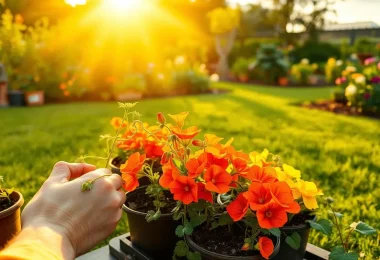
Your entryway is the most important area for boosting front yard curb appeal. Placing large, decorative planters on either side of the door creates a sense of symmetry and welcome. You can easily swap out the plants inside these containers to match the current season, keeping your entrance looking fresh year-round.
Install a Water Feature, Birdbath, or Sculptural Garden Accent
Adding a small water feature or a unique sculpture introduces a layer of sophistication to your garden. The gentle sound of a bubbling fountain can turn a quiet front yard into a relaxing retreat. Alternatively, a stone birdbath acts as a functional piece of art that invites nature into your landscape.
Keep Focal Features Proportional to the Home and Lot
Scale is the most critical factor when selecting your garden accents. A massive fountain in a tiny yard will overwhelm the space, while a small statue might disappear in a large landscape. Always choose items that fit the size of your home to ensure the final look feels balanced and intentional.
Choose Low-Maintenance Landscaping for a Better-Looking Yard
Achieving a beautiful yard does not have to mean spending every weekend working in the dirt. By focusing on low-maintenance front yard landscaping, you can enjoy a polished appearance without the constant need for mowing, weeding, or heavy watering.
Replace High-Maintenance Lawn With Sustainable Ground Covers
Traditional grass lawns often require significant time and resources to keep them looking green. You can simplify your routine by replacing thirsty turf with sustainable landscaping options like creeping thyme, clover, or sedum.
These ground covers spread naturally to fill in gaps, which effectively chokes out invasive weeds. They provide a lush, uniform look that stays vibrant throughout the growing season with minimal intervention.
Select Drought-Tolerant Plants for Water-Wise Landscaping
Incorporating drought-tolerant landscaping is a smart way to reduce your utility bills and save time on irrigation. Native plants and hardy perennials are naturally adapted to your local climate and require far less supplemental water once established.
These varieties are highly resilient and often resist common pests better than non-native species. Choosing these plants ensures your garden remains attractive even during the hottest months of the year.
Use Mulch to Control Weeds and Retain Soil Moisture
Applying a thick layer of organic mulch is one of the most effective ways to protect your garden beds. It acts as a natural barrier that prevents weed seeds from germinating while keeping the soil cool and moist.
This simple step significantly reduces the frequency of manual weeding and watering sessions. Over time, the mulch breaks down to enrich the soil, creating a healthier environment for your plants to thrive.
Group Plants With Similar Water and Sun Requirements
Organizing your garden into zones based on specific needs is a professional technique known as hydro-zoning. By placing plants with identical water and sunlight preferences together, you ensure that every part of your yard receives the exact care it needs.
This strategy prevents over-watering some areas while under-watering others. It creates a cohesive and efficient system that keeps your landscape looking its best with much less effort.
Use Creative Front Yard Designs for Small or Narrow Lots
Creative front yard designs can turn even the smallest or narrowest spaces into neighborhood highlights. You do not need a sprawling estate to create a beautiful and welcoming home entrance. By focusing on scale and texture, you can maximize every square inch of your property.
Make a Small Yard Feel Larger With Layered Planting
Layering is a proven technique to add depth to compact areas. Place taller shrubs or small trees at the back, followed by mid-sized perennials, and finish with low-growing ground covers in the front. This arrangement draws the eye across the space, making the yard appear much deeper than it actually is.
Use Vertical Features, Window Boxes, and Trellises
When ground space is limited, look toward the sky. Installing a trellis allows climbing vines to add lush greenery without taking up valuable floor space. Window boxes filled with colorful annuals also draw the eye upward, adding charm and character to your home’s facade.
Create Privacy Without Blocking the Home’s Best Features
You can achieve a sense of seclusion by using strategically placed ornamental grasses or narrow evergreen shrubs. These plants provide a natural screen that hides the street view while still allowing light to reach your windows. Always ensure that your privacy plantings do not obstruct the view of your front door or architectural details.
Use Curved Beds and Repeated Shapes to Add Depth
Straight lines can make a narrow yard feel like a hallway. Instead, use curved garden beds to soften the edges and create a more organic flow. Repeating specific shapes or plant varieties throughout the space helps unify the design and creates a sense of professional cohesion.
Keep Plant Sizes Appropriate for the Available Space
Choosing the right plant size is essential for maintaining a balanced look. Avoid oversized shrubs that will eventually crowd your walkway or hide your home’s windows. Selecting dwarf varieties ensures that your landscape remains manageable and visually appealing for years to come.
Apply DIY Front Yard Landscaping Ideas on a Practical Budget
Transforming your home’s exterior is often more about sweat equity than a large financial investment. By focusing on high-impact tasks, you can master diy front yard landscaping without breaking the bank. These manageable projects create immediate visual improvements that elevate your home’s overall aesthetic.
Start With Clean Edges, Weed Removal, and Soil Preparation
The foundation of any great yard begins with basic maintenance. Crisp, clean edges along your walkways and garden beds provide an instant sense of order. Removing weeds and amending the soil with organic compost ensures that your plants have the best environment to thrive.
Divide Perennials and Propagate Plants to Reduce Costs
You can expand your garden beds significantly by using the plants you already own. Dividing mature perennials is a smart strategy for budget front yard landscaping that saves money on nursery stock. Many shrubs and ground covers also propagate easily from cuttings, allowing you to fill empty spaces for free.
Refresh the Yard With Paint, Mulch, Gravel, and Reclaimed Materials
Small cosmetic changes often yield the most affordable curb appeal. A fresh coat of paint on your front door or mailbox can modernize your home’s look instantly. Consider these cost-effective materials to refresh your space:
- Mulch: Apply a fresh layer to suppress weeds and retain moisture.
- Gravel: Use pea gravel for low-maintenance paths or decorative accents.
- Reclaimed Materials: Repurpose old bricks or stones for unique garden borders.
- Paint: Update tired porch furniture or house numbers for a clean finish.
Know Which Projects Require Professional Help
While many tasks are perfect for homeowners, some jobs demand expert intervention. Projects involving major structural changes, large tree removal, or complex irrigation systems should be left to licensed professionals. Recognizing your limits prevents costly mistakes and ensures the long-term safety of your property.
Use Protective Equipment and Call Before Digging
Safety must always be your top priority when working outdoors. Always wear gloves, sturdy boots, and eye protection to prevent common injuries. Most importantly, call your local utility service before you dig to ensure you do not hit underground gas, water, or electrical lines.
Improve Curb Appeal With Lighting and Seasonal Details
Strategic lighting and seasonal accents are the secret weapons for a home that stands out in any weather. By extending the visual impact of your property beyond daylight hours, you significantly enhance your front yard curb appeal. These elements ensure your home remains inviting regardless of the time of day or the current season.
Layer Path Lights, Accent Lights, and Entryway Lighting
Modern front yard landscaping trends prioritize a layered approach to illumination. You should combine low-voltage path lights to guide visitors with accent lights that highlight architectural features or specimen trees. Incorporating high-quality landscape lighting ideas creates a warm, secure, and sophisticated atmosphere after dark.
Use Porch Containers for Rotating Seasonal Displays
Seasonal front yard decor is easily achieved through the use of versatile porch containers. By swapping out plants and decorative elements, you can keep your entryway looking fresh and relevant throughout the year. Container gardening allows for quick updates that reflect the colors and textures of each passing season.
Maintain Interest With Evergreens, Berries, Bark, and Winter Structure
A truly professional landscape design considers the dormant months as much as the growing season. You can maintain visual interest by planting evergreens that provide a permanent backdrop of color. Adding shrubs with bright berries or unique, peeling bark creates essential winter structure that prevents the yard from looking empty during the colder months.
Direct Lighting Away From Windows and Neighboring Properties
Responsible lighting placement is vital for maintaining good relationships with your neighbors. Always aim your fixtures downward to illuminate paths and garden beds rather than casting glare into windows. Properly shielded lights ensure that your home remains a welcoming beacon without causing light pollution or unwanted disturbances.
Avoid Common Front Yard Landscaping Mistakes
A successful yard transformation depends on your ability to spot and avoid common front yard landscaping mistakes. Taking the time to evaluate your space before digging prevents costly errors and ensures your design thrives for years. Proper landscaping planning serves as the foundation for a beautiful and functional outdoor area.
Prevent Overcrowding and Planting Too Close to the House
Many homeowners make the error of planting shrubs or trees too close to their home’s foundation. Over time, these plants grow into the siding, blocking windows and trapping moisture against the structure. Always check the mature size of every plant before adding it to your garden beds to ensure adequate airflow.
Avoid Designs That Ignore Drainage, Utilities, or Sightlines
Effective landscaping planning must account for how water moves across your property. Poor drainage can lead to standing water that damages your home’s foundation or kills sensitive plants. Before you start, verify the location of underground utility lines and ensure your plantings do not obstruct traffic sightlines at the street.
Control Weeds, Prune Overgrowth, and Replace Failing Plants
Consistent front yard maintenance is essential to keep your curb appeal high throughout the seasons. Neglected beds quickly become overrun with weeds that compete with your flowers for nutrients. Use this checklist to keep your yard in top shape:
- Remove invasive weeds as soon as they appear.
- Prune overgrown shrubs to maintain their intended shape.
- Replace dead or diseased plants immediately to prevent spread.
- Apply fresh mulch to suppress weed growth and retain moisture.
Review Local Rules for Fences, Trees, and Water Use
Before you begin any major project, research your local municipal codes. Many cities have strict regulations regarding fence heights, the removal of mature trees, and water usage during dry months. Compliance prevents fines and ensures your project remains a positive addition to your neighborhood.
Conclusion
A beautiful home starts at the property line. You can transform your outdoor space by applying these front yard landscaping ideas to create a welcoming environment. Thoughtful planning turns a simple lawn into a vibrant asset for your home.
You have the power to improve front yard curb appeal through small, deliberate changes. Start by assessing your soil, sunlight, and drainage patterns. Pick one area to focus on first, such as defining a walkway or adding structured garden beds.
Budget-conscious projects like mulching, dividing perennials, or installing path lights yield high returns. Professional-grade results come from consistent maintenance and choosing plants that thrive in your specific climate. Brands like Scotts or Miracle-Gro offer tools to help you manage these tasks with ease.
Take the first step by sketching your vision on paper. Build your landscape in stages to keep the process manageable and rewarding. Your dream yard is within reach when you commit to a clear plan and steady progress.
FAQ
How do I begin planning a landscape that complements my home’s architecture?
Successful planning starts with a detailed assessment of your property. You should measure your available space and evaluate environmental factors such as sunlight exposure, soil quality, and drainage patterns. To ensure a cohesive look, match your planting style to the home’s design—such as using structured hedges for a Colonial style or ornamental grasses for a Modern aesthetic—and set a realistic budget for both materials and labor before purchasing plants.
What are the best creative front yard designs for maximizing front yard curb appeal?
To create a strong visual impact, focus on balance and repetition. Use a limited color palette to maintain a polished appearance and layer your plants by height, placing ground covers in the front and small trees or tall shrubs toward the back. Framing the entryway with symmetrical plant beds helps draw the eye toward the front door, making the home feel more inviting.
Which materials are most effective for building a front yard walkway?
Homeowners have several durable options, including Belgard pavers, traditional brick, decorative gravel, or poured concrete. When designing the path, ensure it is wide enough for two people to walk comfortably side-by-side. You can soften the hard edges of the walkway using creeping thyme or other border plants, while ensuring the surface remains even to prevent safety hazards.
How should I choose plants for my front yard garden ideas?
Always select plants based on your specific USDA Hardiness Zone to ensure they can survive local winter and summer extremes. A professional-looking garden bed often mixes evergreen foundation plants for year-round structure with flowering perennials for seasonal color. Incorporating native plants is also a top recommendation for regional beauty and supporting local pollinators.
What are some essential landscaping tips for front yard maintenance?
To reduce the time spent on chores, group plants with similar water and sun requirements together. Using a high-quality mulch helps suppress weeds and retain soil moisture, while replacing high-maintenance turf with sustainable ground covers can significantly cut down on mowing. Choosing drought-tolerant species also ensures the yard stays healthy during dry spells with minimal irrigation.
What are the best landscaping ideas for the front yard if I have a small or narrow lot?
For compact spaces, utilize vertical landscaping features such as trellises, arbors, or window boxes. You can make a small yard feel much deeper by using curved garden beds and repeated shapes. It is vital to select plants that won’t outgrow the space, keeping the scale proportional to the home so you don’t block windows or the entryway.
How can I implement diy front yard landscaping on a practical budget?
You can achieve professional results by focusing on “sweat equity” tasks like clean edging, thorough weed removal, and proper soil preparation. To save on plant costs, try dividing perennials or propagating existing shrubs. Simple updates like refreshing gravel paths, adding new mulch, or using reclaimed stones for borders can provide immediate front yard landscaping inspiration without a heavy financial investment.
What are the current front yard landscaping trends for American homeowners?
Modern front yard landscaping trends are moving toward “climate-wise” designs, such as xeriscaping in arid regions or installing rain gardens to manage runoff. There is also a growing interest in functional landscapes that replace traditional lawns with wildflower meadows or edible borders featuring blueberry bushes and herbs.
How does outdoor lighting improve the functionality of a front yard?
Effective lighting extends your home’s curb appeal into the evening hours while improving safety. Use a layered approach with path lights for navigation, accent spotlights for specimen trees, and bright entryway lights. To be a good neighbor, always direct your fixtures downward and away from neighboring windows to prevent light pollution.
What common mistakes should I avoid when updating my front yard?
One of the most frequent errors is overcrowding, or planting shrubs too close to the home’s foundation where they can trap moisture and cause damage. Additionally, never start a project without checking local HOA rules or city ordinances regarding fence heights and tree removals. Most importantly, always call 811 to have underground utility lines marked before you begin any digging for new garden beds or walkways.